ifo Institut
:
Shaping the Economic Debate


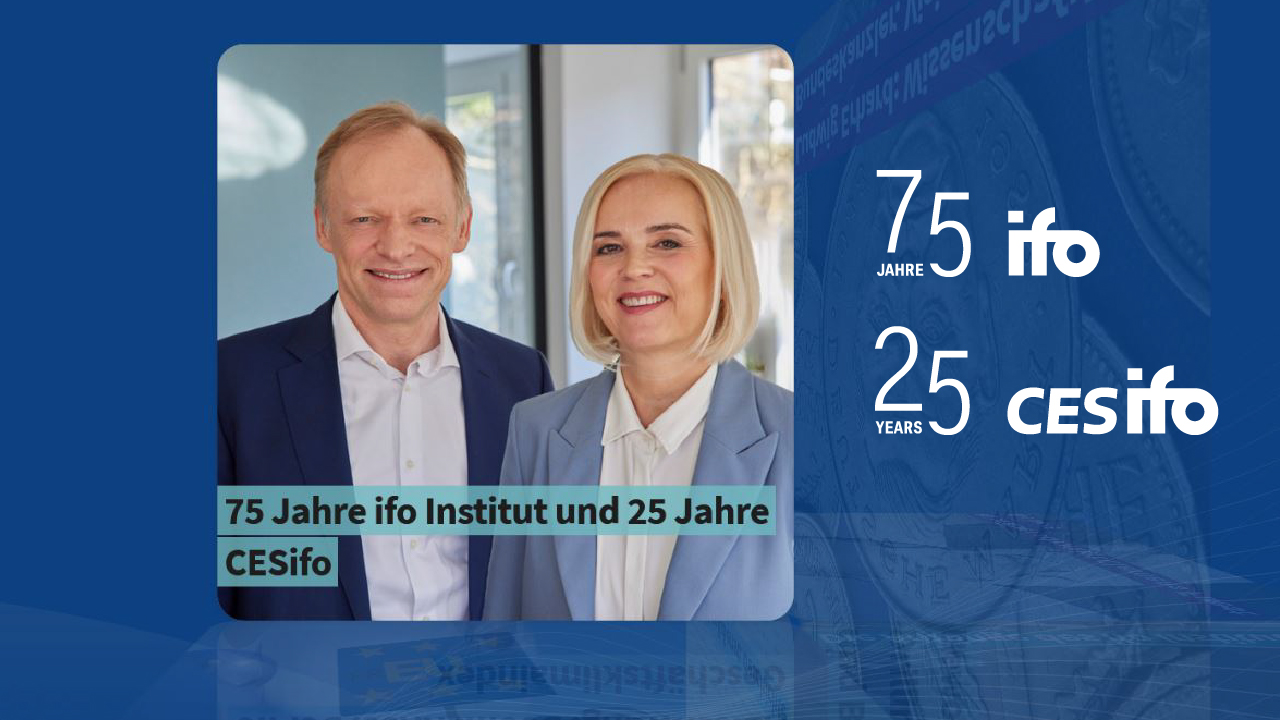
Feiern Sie mit uns auf celebrate.ifo.de
Haben Sie schon einmal darüber nachgedacht, wie tief die Wurzeln der ifo-Gebäude in die Geschichte des Herzogparks reichen? Wussten Sie, dass der erste Schnelldienst noch vor der offiziellen Gründung des Instituts erschienen ist? Oder können Sie erahnen, wie viele Nobelpreisträger*innen dem CESifo Netzwerk angehören? Neugierig? Dann besuchen Sie uns auf celebrate.ifo.de, den Jubiläumswebseiten für Menschen, Orte und Zeiten, die im Kontext unseres Jubiläumsjahres für die Geschichte unseres Instituts stehen.


„Internationale Vernetzung und intensive Kooperation zwischen Forscher*innen bilden die Grundlage für hochwertige wirtschaftswissenschaftliche Forschung mit Wirkung.“


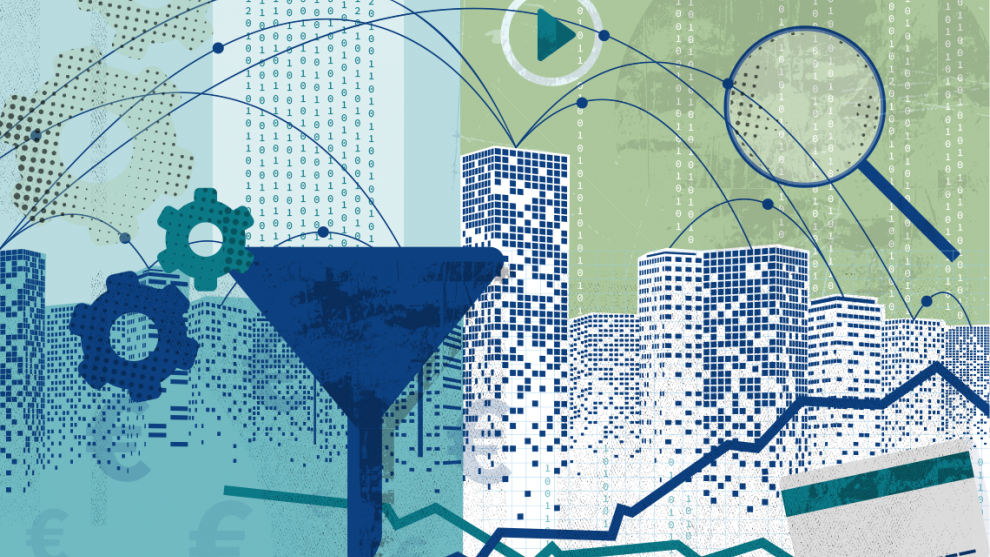
Künstliche Intelligenz (KI)
Künstliche Intelligenz (KI): die Technologie der Zukunft hält Einzug in Beruf und Alltag. Sie soll unser Leben erleichtern. Sie birgt allerdings auch Gefahren.
Kalender
Spitzenforschung in allen Bereichen
Wir bearbeiten wissenschaftliche Fragestellungen, die für Akteur*innen in Politik, Wirtschaft und Gesellschaft in Deutschland und international relevant sind. Die Handlungsempfehlungen des ifo Instituts basieren auf Ergebnissen unserer Forschung und tragen dazu bei, dass informierte Entscheidungen getroffen werden können.


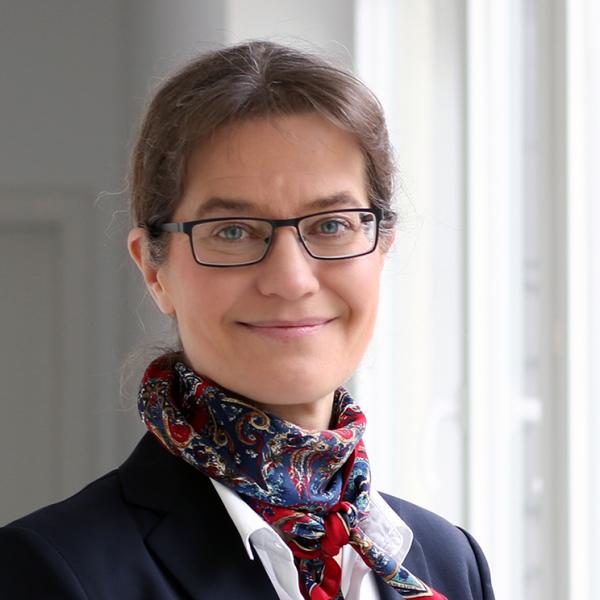
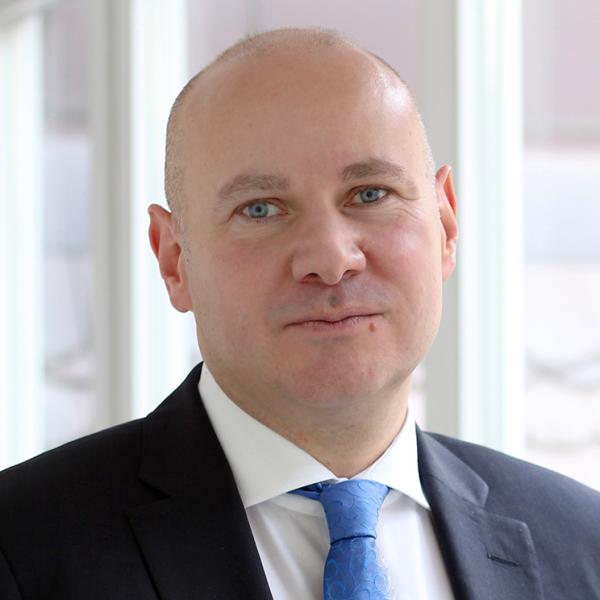
Lernen Sie unsere Expert*innen kennen
Finden Sie hier unsere Expert*innen. Diese ifo-Mitarbeiter*innen sind Anlaufstelle für die Öffentlichkeit, insbesondere für die Medien, die Politik, die Wirtschaft, die Wissenschaft. Sie geben Auskunft zu spezifischen Themen, mit denen sich das ifo Institut beschäftigt.